
What is juicing?
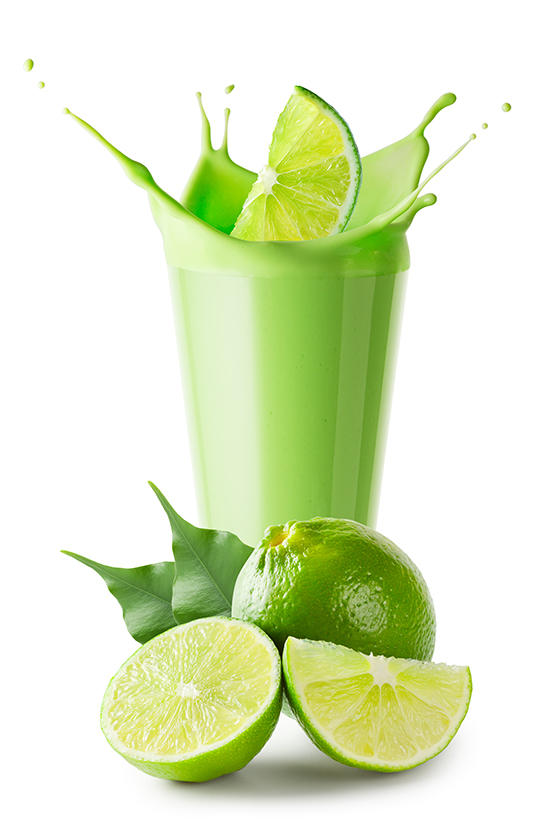
Have you ever wondered what juicing actually is and what it really means for your health?
Growing up, my only exposure to juicing was watching fresh oranges get pressed into a glass, usually leaving most of the pulp behind. Today, juicing has evolved into a bit of an art form, incorporating an incredible variety of fruits, vegetables, and herbs.
Before we dive into the different methods and variations, let’s look at what the process actually looks like. If you have ever felt a bit confused by the trend, you are definitely not alone. For a long time, I didn’t fully grasp the concept either, so I never really gave it a chance. But after diving into the details, the distinction becomes much clearer.
In short, juicing is the process of extracting the liquid from whole fruits and vegetables. To do this, you need a dedicated juicing appliance. These machines can range from an affordable fifty dollar starter model to high-end press varieties that cost thousands of dollars.
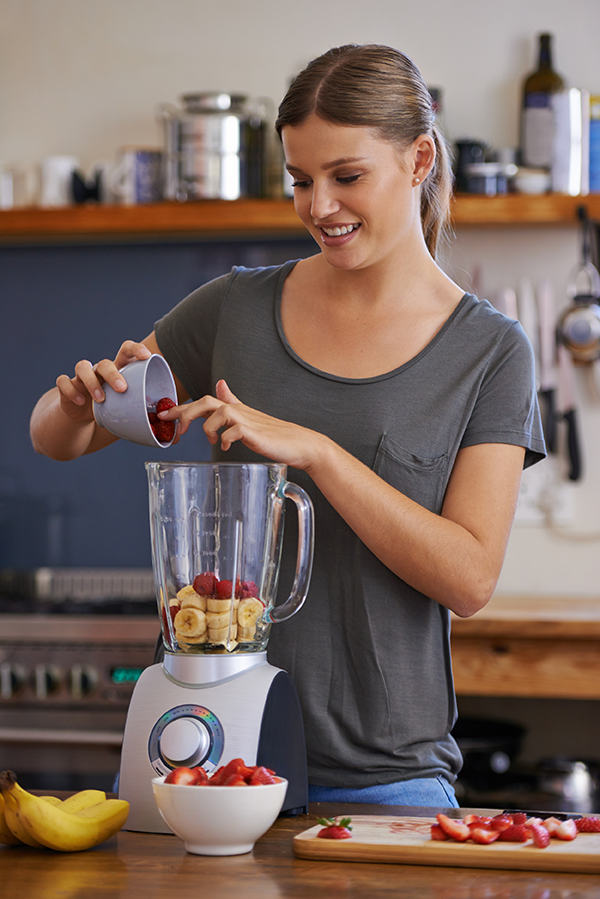
It is also important to note the distinct difference between a juice and a smoothie, as the two often get grouped together. Smoothies are made using a traditional blender or a NutriBullet style appliance. Because a blender processes the whole ingredient, your drink still contains all the natural fiber and pulp.
Juicing, on the other hand, isolates the liquid. By removing all of the solid pulp and fiber, you are left with a smooth, highly concentrated pitcher of pure, nutrient-rich juice.





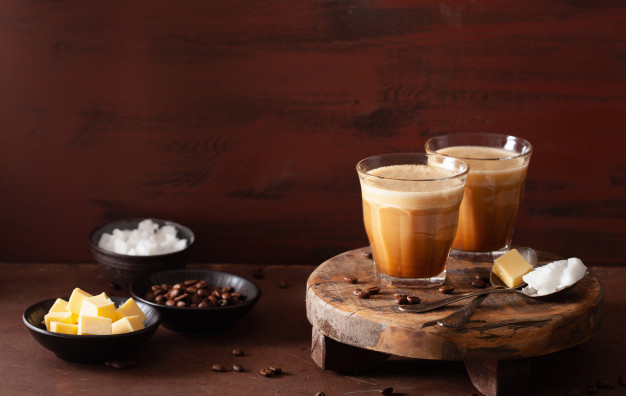
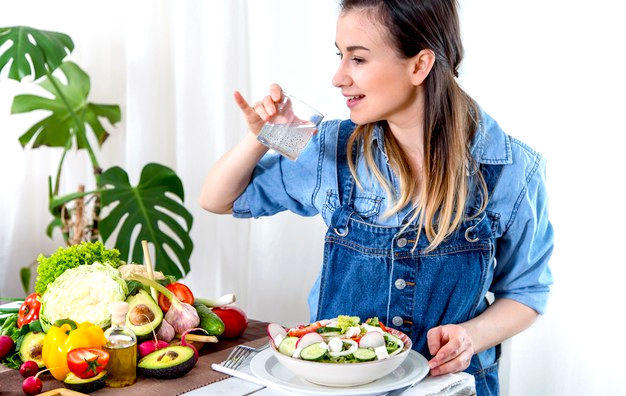
To put it in perspective, a typical smoothie recipe might include fruits, vegetables, herbs, and targeted supplements like turmeric, probiotics, magnesium, spirulina, or protein powder.
Everything is tossed into a blender and mixed together into a vibrant beverage. While both options offer fantastic health benefits, a smoothie simply retains that essential fiber, while a juice delivers pure liquid nutrition.
So, what are the benefits of juicing?
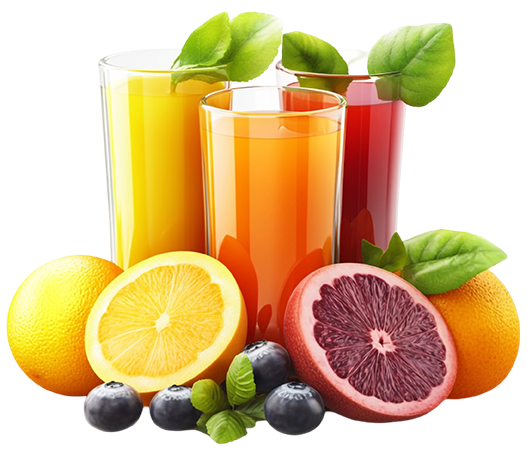
The main benefit is that there is no digestive work for your body as there is nothing to break down. The nutrients are already there, and your body can start processing them without doing a bunch of work. They are more easily absorbed into your blood stream.
You get all the benefits of the vitamins, minerals, antioxidants all by just simply drinking your juice. Not to mention you have a drink in your hands that holds ten times more fruits and veggies then one could simply sit down and eat, and your body enjoys the surplus of nutrients.
That being said, it’s important that you understand how to properly juice as to not spike your blood sugar. A spike can lead to moody behavior and loss of energy.
Juices are usually very easy to prepare, and although the clean up can be a bit of a challenge, its still much less work than say making a three course meal in the kitchen.
Does blending have benefits?
The result speaks for itself. It’s quick, its easy, minimal clean up. ( you just rinse out the blending container and maybe the glass you drank from)
This method does help with the managing of the spiking blood sugar and some say a smoothie is more filling, but I have found, if you’re juicing the proper ingredients then you are not hungry on the juice. Additionally, a smoothie can and will typically have a lot of calories.
If you’re considering the smoothie route, think about using wheatgrass powder, protein powder, keifer, spirulina powder (or any green powder you prefer) or a dash of cayenne powder for a little kick and you can even use frozen fruit. Which can save money because you’re not throwing away fruit you didn’t get a chance to use.
So, which is better? Juicing or Smoothies?
Our purpose is to provide a multitude of options for a healthy lifestyle, so, you’ll see juicing recipes right along side smoothie recipes because, sometimes, we just want a smoothie.
Both juicing and smoothies offer fantastic health benefits, but they serve completely different purposes for your body.
Juicing extracts the liquid portion of fruits and vegetables, leaving the insoluble fiber behind. This results in a highly concentrated, nutrient-dense beverage that your digestive system can absorb almost instantly, providing a quick burst of energy and a massive dose of vitamins.
However, because the fiber is removed, the natural sugars in the juice enter your bloodstream much faster, which can cause significant blood sugar spikes. For this reason, juicing may not be ideal for individuals managing diabetes or insulin resistance, though it can be incredibly beneficial for those recovering from severe digestive distress who need a break from processing heavy roughage.
Smoothies, utilize the entire fruit and vegetable, blending everything into a thick, fibrous drink. Because you keep the fiber, smoothies act like a meal, slowing down digestion and providing a steady, sustained release of glucose into your bloodstream. This makes smoothies the clear winner for weight management, blood sugar control, and long-term satiety.
Blending allows you to easily boost the nutritional profile by adding healthy fats and proteins, like avocados, chia seeds, or protein powders, which you cannot do with a juicer. For a quick, easily absorbable nutrient shot, juicing is excellent, but for a stable, filling meal replacement that supports overall gut health, smoothies are the superior choice.
Maybe you’ll do like many of us and juice some fruits and veggies and then blend say an avocado with some ice and wheatgrass and mix them together. In our house, we do this far more than any other option. Mainly to ensure we’re maximizing our veggie intake, with enhanced flavor options available with a smoothie.